Echinacea For A Warm Summer: How To Grow Care For This Beautiful Perennial
Echinacea is a beautiful and versatile perennial that is easy to grow and care for. It is a popular choice for gardens in all parts of the country, and it is known for its medicinal properties.
In this blog post, we will discuss everything you need to know about growing and caring for echinacea. We will cover topics such as:
- Choosing the right location
- Preparing the soil
- Planting echinacea
- Watering and fertilizing
- Deadheading and dividing
- Pests and diseases
We will also provide some tips on how to extend the flowering season of your echinacea plants.
Introduction
Echinacea is a member of the daisy family and is native to North America. It is a hardy perennial that can grow in a variety of conditions, but it prefers full sun and well-drained soil.
Echinacea is known for its bright, daisy-like flowers that come in a variety of colors, including purple, pink, white, and yellow. The flowers are also edible and can be used in salads or teas.
In addition to its beauty, echinacea is also a valuable medicinal plant. It has been used for centuries to treat a variety of ailments, including colds, flu, and infections.
Main Content
Choosing the right location
Echinacea is a sun-loving plant, so it is important to choose a location that gets full sun for at least six hours a day. The soil should also be well-drained.
If you live in an area with hot summers, you may want to choose a location that gets some afternoon shade. This will help to prevent the leaves from burning.
Preparing the soil
Before planting echinacea, it is important to prepare the soil. The soil should be loose and well-drained. You can improve the drainage by adding sand or compost to the soil.
The soil should also be fertile. You can add compost or manure to the soil to improve its fertility.
Planting echinacea
Echinacea can be planted in the spring or fall. If you are planting in the spring, wait until the soil has warmed up to at least 60 degrees Fahrenheit.
Space the plants 18 to 24 inches apart. Dig a hole that is deep enough to accommodate the roots of the plant.
Place the plant in the hole and backfill with soil. Water the plant well.
Watering and fertilizing
Echinacea is a relatively drought-tolerant plant, but it will need regular watering during the first year after planting. Once the plant is established, it will need less watering.
Fertilize echinacea in the spring with a balanced fertilizer. You can also apply a layer of compost around the plant in the spring.
Deadheading and dividing
Echinacea blooms from midsummer to fall. To encourage repeat blooming, deadhead the spent flowers. This will help to prevent the plant from setting seed and will encourage it to produce more flowers.
Echinacea can be divided every three to four years. This will help to keep the plant healthy and vigorous.
Pests and diseases
Echinacea is generally a pest- and disease-free plant. However, it can be susceptible to aphids, spider mites, and powdery mildew.
If you see any pests or diseases on your echinacea plants, treat them immediately with an appropriate pesticide or fungicide.
Conclusion
Echinacea is a beautiful and easy-to-grow perennial that is perfect for gardens in all parts of the country. It is a valuable medicinal plant and is also a great addition to any flower garden.
Are you looking for more information about echinacea and how it can help you stay healthy during the warm summer months? Visit Home Gardening today to learn more about the benefits of this powerful herb.
Home Gardening is a comprehensive resource that provides information on all aspects of echinacea, including its history, scientific research, and practical uses. You'll also find a variety of recipes, articles, and videos that can help you incorporate echinacea into your daily routine.
So what are you waiting for? Visit Home Gardening today and learn more about how echinacea can help you stay healthy and happy this summer.
FAQ of echinacea warm summer
- Q: Can I grow echinacea in warm summers?
A: Yes, echinacea is a warm-season perennial that can tolerate hot, dry weather. However, it is important to choose a variety that is suited to your climate. For example, Echinacea purpurea is a good choice for warm, humid climates, while Echinacea pallida is a good choice for hot, dry climates.
- Q: How much water does echinacea need in hot summers?
A: Echinacea needs about 1 inch of water per week during the summer. However, it is important to water deeply, so that the water reaches the roots. If you live in an area with hot, dry summers, you may need to water more often.
- Q: How do I protect echinacea from heat stress in hot summers?
A: There are a few things you can do to protect echinacea from heat stress in hot summers. First, plant it in a location that gets morning sun and afternoon shade. Second, mulch around the plant to help retain moisture. Third, water deeply and regularly. Finally, if the weather is particularly hot, you can mist the plant with water in the morning and evening.
- Q: What are some common pests and diseases that affect echinacea in warm summers?
A: The most common pests that affect echinacea in warm summers are aphids, spider mites, and deer. The most common diseases that affect echinacea in warm summers are powdery mildew and rust. To control pests and diseases, you can use insecticidal soap, neem oil, or horticultural oil. You can also remove affected leaves or plants.
Image of echinacea warm summer
10 different images of Echinacea in warm summer that are free to use:
- Echinacea purpurea in full bloom.

- A close-up of Echinacea blossoms in shades of pink, purple, and white.

- A field of Echinacea flowers in the warm summer sun.
- A single Echinacea flower with its petals open wide.

- A cluster of Echinacea flowers in a vase.
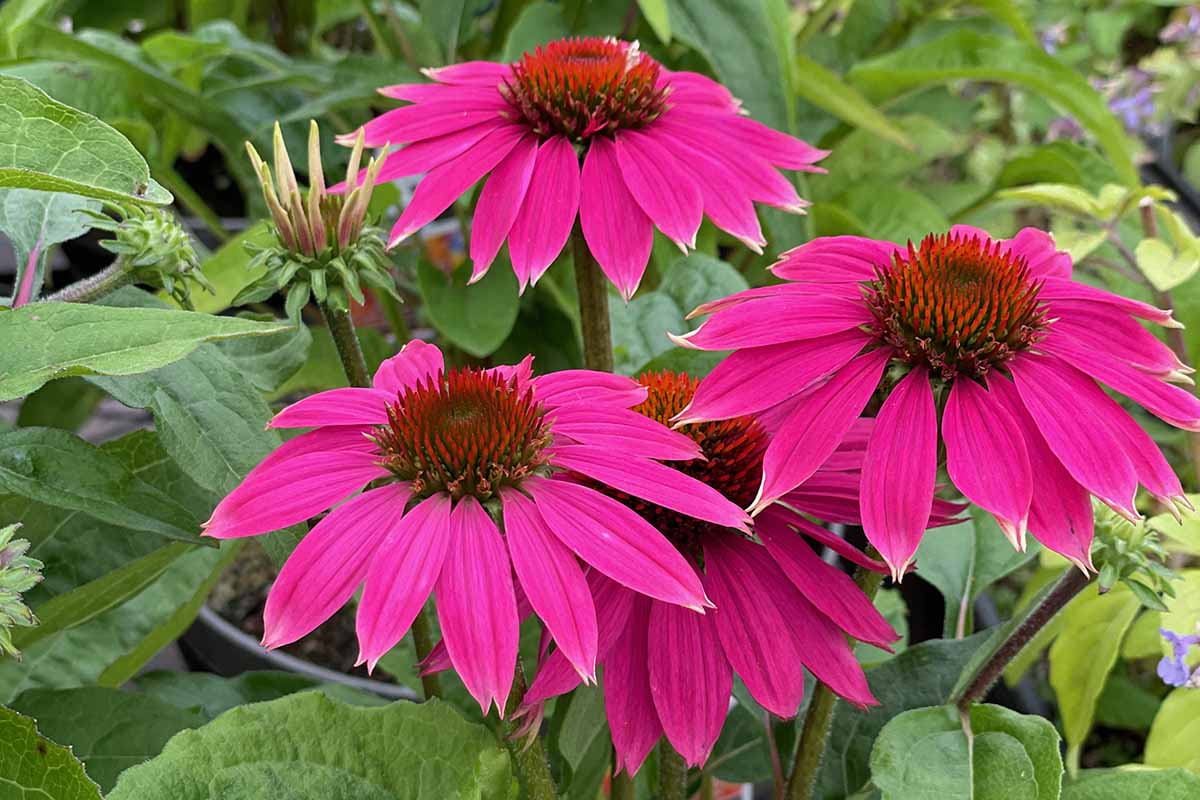
- A dried Echinacea flower head.

- A close-up of the Echinacea flower's center, which is made up of many tiny florets.
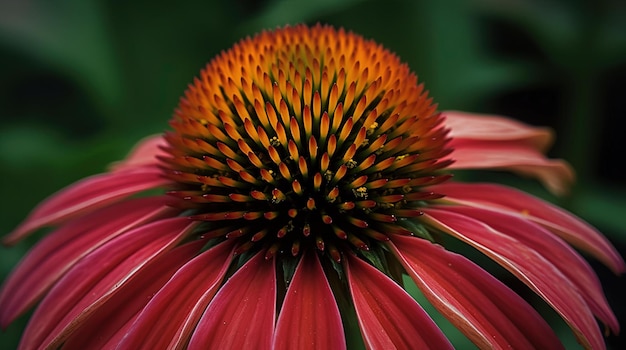
- A pair of Echinacea leaves, which are long and pointed.
- A root of Echinacea, which is used to make herbal remedies.

- A bee pollinating an Echinacea flower.


Post a Comment for "Echinacea For A Warm Summer: How To Grow Care For This Beautiful Perennial"